
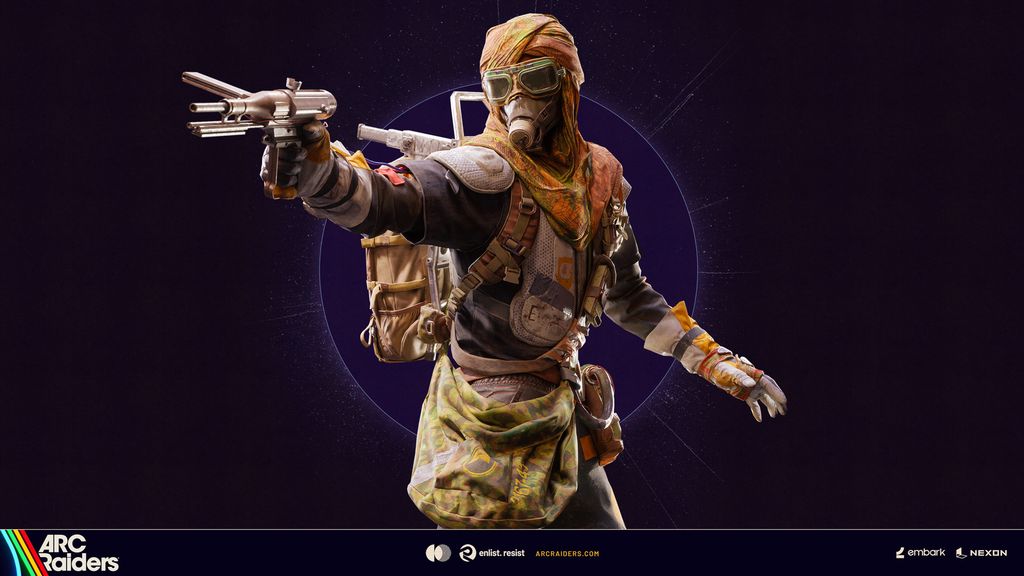
After months of smaller patches and tweaks, ARC Raiders players finally got this year’s first major update: the Headwinds Update.
It was pitched as a “matchmaking and balance” patch with some basic additions—solo matchmaking, a new long-term project, a cosmetic set—so our expectations were pretty low. But when we jumped in, many of us found a lot more stuffed into this update than the teaser let on.
Dig a little deeper, though, and an uncomfortable question comes up: did all these changes actually make the game better, or did the Headwinds Update quietly make it worse?
A Promising Expansion, On Paper
On the surface, Headwinds seems like a solid step forward. It adds some real quality-of-life fixes and new gameplay layers meant to keep things fresh between runs.
Here’s what you get:
A new matchmaking toggle that splits solo players from squads.
A long-term Trophy Display project—hunt dangerous ARC groups for rewards.
A new map condition, Bird City, which shakes up Buried City with ziplines, bird traps, and more vertical fights.
The Sand Walker cosmetic set.
Two new Mark III augment blueprints for high-tier gear.
Seven new quests, plus better party tools, controller remapping, and anti-cheat updates.
For what was supposed to be just a “bridge update,” that’s a pretty hefty list. Every addition, from solo queue to the new augments, sounds smart at first. But once we started actually playing, some questionable design choices began to show.
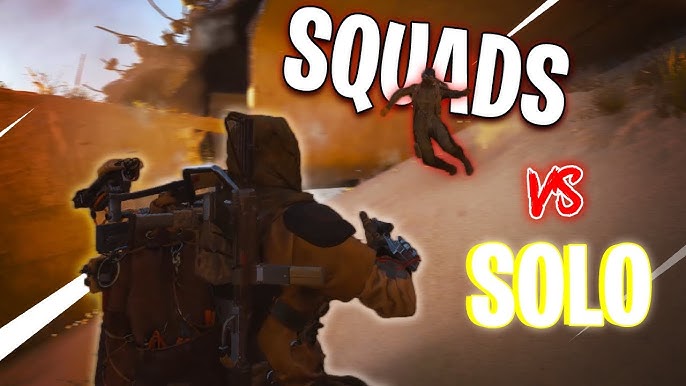
The Solo vs. Squads Problem
The Trophy Display Project: Engaging Grind or a Filler?
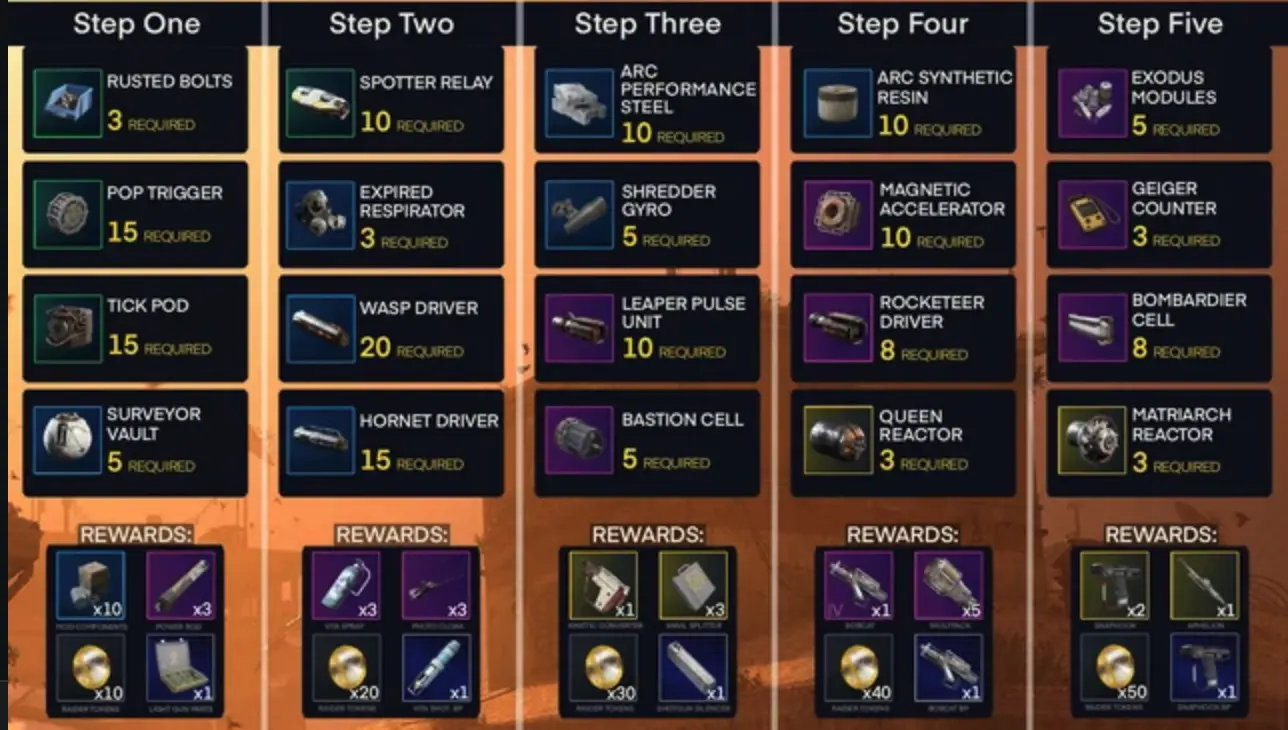
The Trophy Display project is this patch’s long-term goal—a multi-step hunt where you track down powerful ARC groups and turn in their parts to build a display. It’s set up like the old Flickering Flames event, but with five stages that reward you with blueprints, tokens, a Jupiter weapon, a guitar emote, and a hefty 300,000 coins.
At first, it seems perfect: an endgame goal you can chip away at that doesn’t get wiped. The open-ended timeline means even casual players can finish it.
But the shine wears off once you start. Because it pushes you to farm tougher and tougher ARC enemies, it can start to feel repetitive, reusing the same core gameplay loop we’ve had since day one. And since rewards like blueprints and tokens come from other places too, the excitement fades fast. No end date is great for flexibility, but it also kills that motivating urgency.
In short: it’s a decent goal, but not something that will keep you hooked for long.
Bird City – A Great Idea, Poorly Rotated
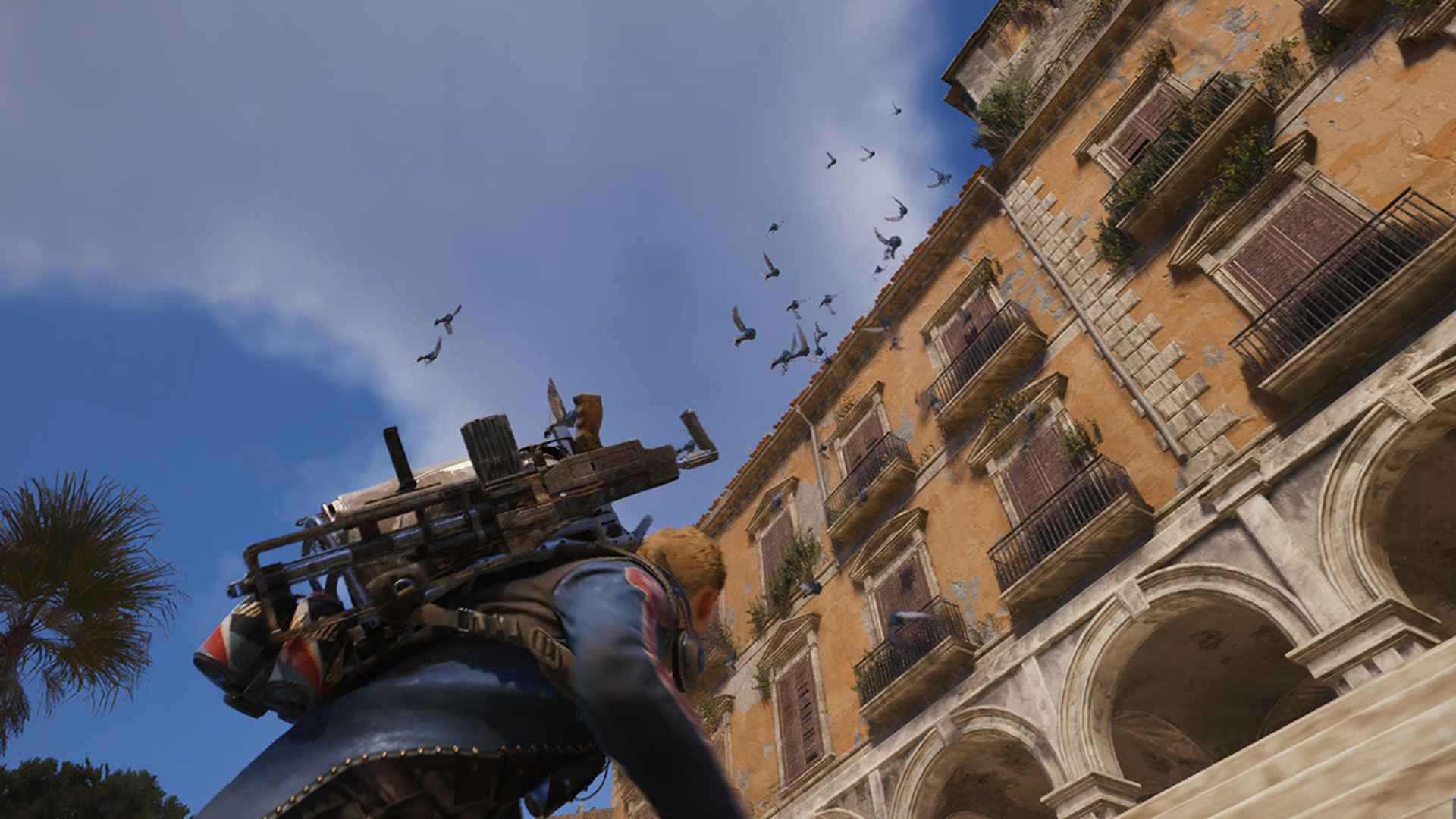
Where ARC Raiders really shines is in its world-building, and Bird City gets that right. The Buried City map is now full of nests in the chimneys, with “shiny trinkets” baiting you up to riskier rooftops. New ziplines and more flying enemies change up the fights.
But then you find out this new version of the map only shows up every eight hours. For most of us, that means you might play it once a day—or miss it completely if the timing’s bad. For a feature they advertised so much, locking it behind this timer just doesn’t make sense.
It points to a bigger issue with the game: it keeps its coolest new ideas behind arbitrary time locks. What’s the point of a great map change if players can’t actually play it when they want?
The result? A really neat addition that almost no one will get to enjoy regularly.
Expensive Cosmetics and the Monetization Gray Zone
The new Sand Walker cosmetic set looks cool, but it’ll cost you—1,300 Raider Tokens for the full outfit, emote, and face paint. Charging for cosmetics is normal, but the balance here still feels off. When so many players are still grinding for basic gear and blueprints, pushing expensive skins feels out of touch.
For a game trying to build goodwill, that’s a bad look. Fashion in games is most fun when you’re showing off stuff you earned, not stuff you bought for the price of a small game.
New Augments: More Options or More Problems?
The new Mark III augments are the most interesting part of the update. Safekeeper lets you stash any item (even weapons and shields) in a special safe slot, but it costs you inventory space. Revival gives you passive health regen, but it limits your shield strength and how much you can carry.
On paper, these are interesting trade-offs. In practice, the cost feels too high for most players. Taking health regen but weaker shields is a quick way to get frustrated unless you play very safe. And giving up inventory space hurts one of the game’s best parts: looting freely.
That said, they’re at least trying to add more build variety, which the game needs. Even if they’re not perfectly balanced yet, the intent is good.
The Real Wins: Quality-of-Life Fixes
Some of the best changes are the quiet ones. You can now open your party so friends can join without an invite. Anyone in the squad can send invites, not just the leader. We finally got full controller rebinding, better mouse settings, and improved achievement tracking.
There’s also new protection against stream-sniping for creators, and they fixed a notorious extraction glitch on Stella Montis where players could camp inside vaults. These are the fixes that quietly make the game better to play every day.
The Loot Shuffle and Unintended Downgrades
Now for the part many players are calling the real “headwinds” of this update: stealth changes to looting and gear.
First, looting just feels slower. The animation for opening containers takes longer, which breaks the fast, snappy rhythm the game used to have. It sounds small, but in a game about scavenging, that slow-down gets annoying fast.
Second, they made some key blueprints—like the Snap Hook, Volcano, and Bobcat—harder to find during big events like Electromagnetic Storm. When your community loves crafting and trying new loadouts, making the core items more rare just kills motivation.
Weapons got hit, too. Early reports show the popular Kettle Beretta and Venador might have slightly slower fire rates now. Even if it’s not huge, not mentioning these changes in the patch notes hurts trust. We should know when the guns we use get tweaked.
Together, these changes make the rewarding loot chase feel less exciting and more like a chore.
Anti-Cheat Overreach or Underreach?
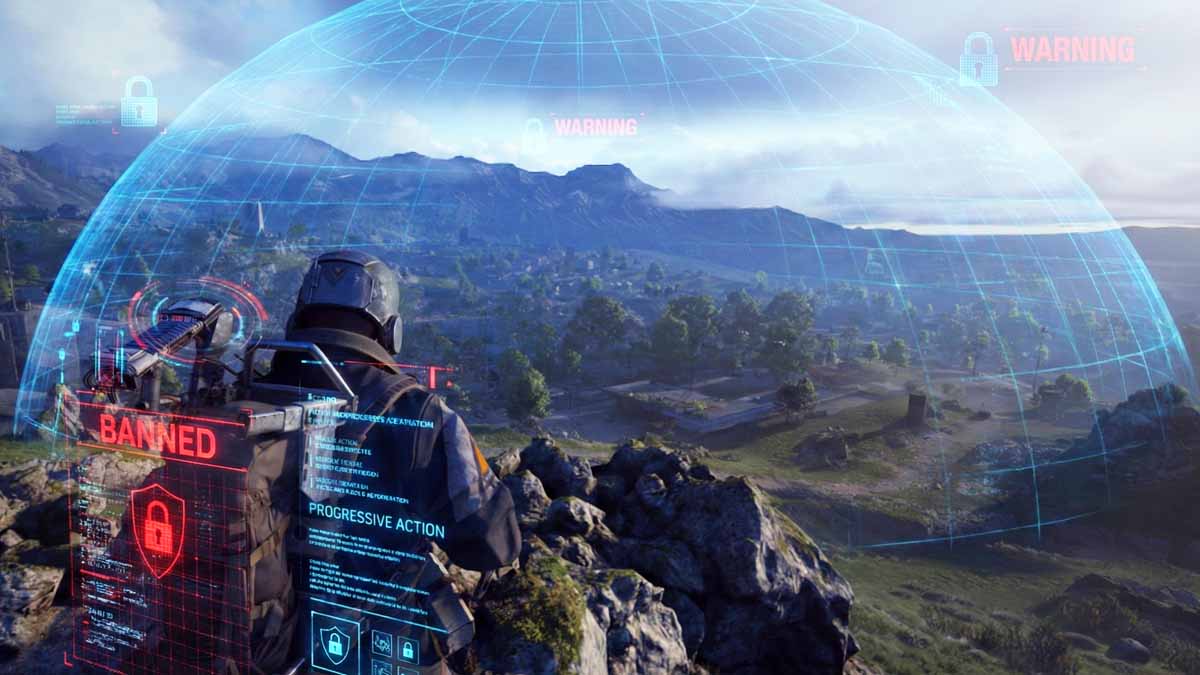
The new anti-cheat system gives a three-strike ban: 30 days, then 60 days, then permanent.
The idea is to be fair and avoid punishing innocent players by mistake.
But a lot of us think it’s too lenient. It lets cheaters come back twice before they’re gone for good. In a competitive game, even a temporary cheater can ruin the experience for everyone else for weeks. If the anti-cheat works, why give them second and third chances? A stricter policy might have restored faith faster.