When we look back on the 20th century, several video game franchises stand out for their significant impact. Across various platforms, new heroes and genres emerged, laying crucial groundwork for the medium. This ranking identifies the greatest video game franchises of the 20th century based on their influence and enduring appeal.
The Enduring Impact of 20th Century Video Game Franchises
The 20th century introduced a wealth of memorable video game experiences. From personal favorites to groundbreaking new franchises, the era shaped the industry.
Across diverse platforms like the Nintendo Entertainment System, Genesis, Game Boy, PlayStation, and PC, exciting new heroes and genres made their mark. These titles established foundational elements for publishers, developers, and the medium itself.
This list ranks the greatest video game franchises of the 20th century by their overall impact. Many of these series continue to resonate with players today. Their influence is evident in modern game design and the continued popularity of their respective universes. The innovations introduced then remain relevant.
These franchises not only entertained millions but also pushed the boundaries of technology and storytelling. Their success paved the way for future developments in interactive entertainment. The foundations laid during this period are still visible in the games released today, demonstrating their lasting significance.
Franchises That Defined Genres and Eras
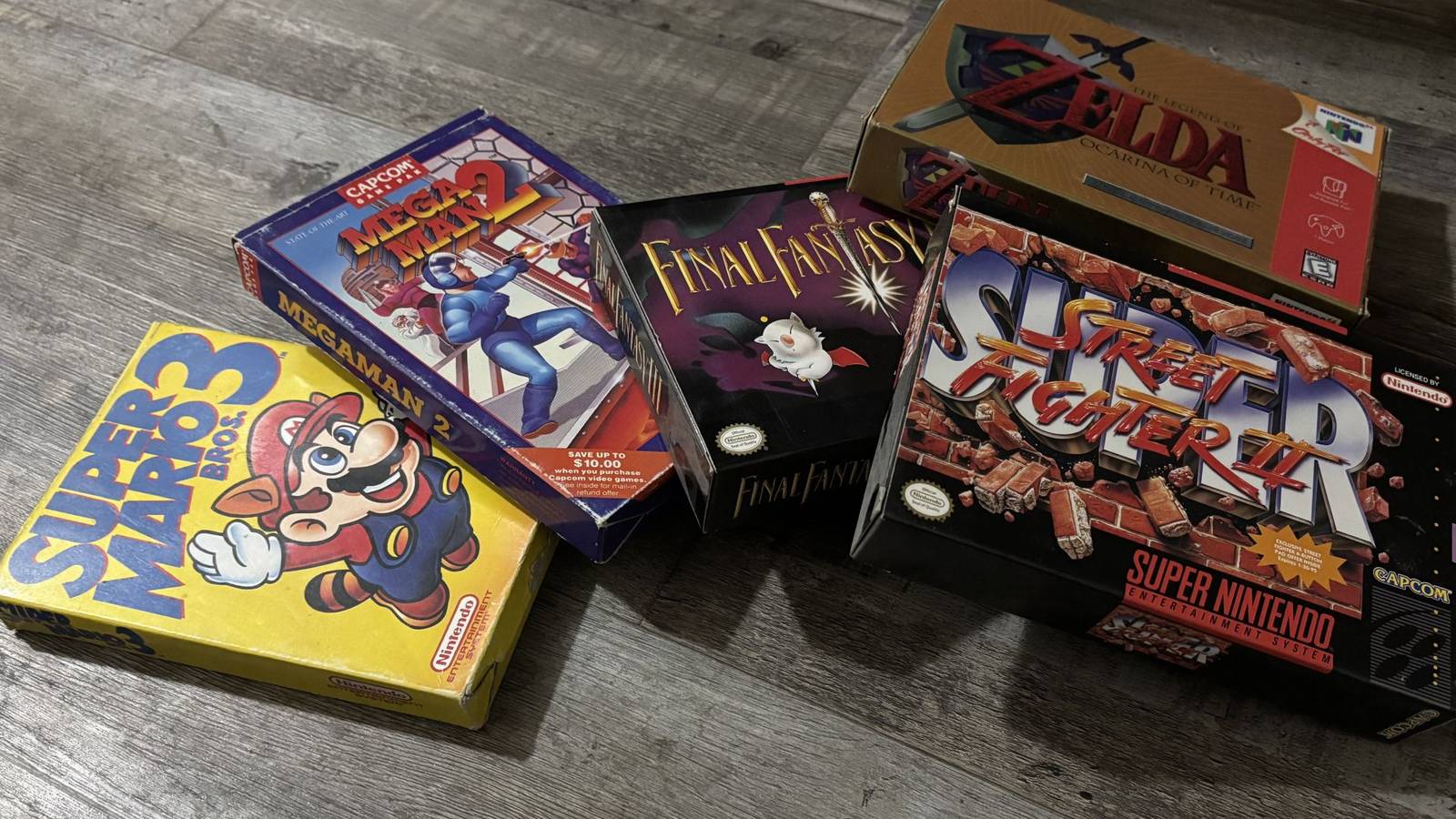
The Blue Bomber series, beginning with Mega Man 2, established a benchmark for action platforming. Despite a challenging start, the franchise soon found its footing, delivering consistent quality. This formula evolved with new abilities and companions, featuring eight distinct machines and the recurring villain Dr. Wily in the year 20XX.
The Mega Man concept formed the basis for numerous main series games and the Mega Man X spinoff. It also spawned various titles on home consoles and in arcades. While its popularity has waned, Mega Man has appeared in other media and has a new adventure planned for 2027.
Castlevania significantly influenced the gothic adventure genre with its numerous sequels. Crucially, it co-inspired the entire Metroidvania subgenre through Symphony of the Night, released on PlayStation in Japan on March 20, 1997. The franchise had already seen many installments on systems like the NES, Genesis, MSX, and Commodore 64.
The Evolution and Longevity of Iconic Series
Electronic Arts recognized a market for sports simulations, releasing John Madden Football in 1988. This title launched a long-running series in partnership with the former coach and commentator. The company published many sports titles throughout the ‘90s, bringing digital versions of popular athletes to fans across various leagues.
The partnership with the NFL proved exceptionally successful as the 20th century concluded. This brought recognition and popularity among audiences beyond traditional gaming demographics. The franchise’s enduring appeal led to the announcement of a Madden movie, demonstrating its cross-media potential.
Donkey Kong originated Nintendo’s video game legacy. The original arcade title led to sequels like Donkey Kong Jr. and Donkey Kong 3. Rare’s Donkey Kong Country trilogy revitalized the franchise and extended the Super Nintendo’s lifespan, influencing later revivals on Wii, Wii U, and near the Nintendo Switch 2 launch.
Resident Evil created a palpable sense of dread within its fictional locales, making Raccoon City feel as real as any actual city.
Players recall tense moments fighting zombies and saving progress with typewriter ribbons. The series’ influence spawned imitators, films, and even board games, maintaining its popularity, though its late ‘90s peak is hard to match.
The Street Fighter series gained significant traction with Street Fighter 2: The World Warrior in arcades in March 1991. Its Super Nintendo release allowed for accessible home play. The game’s popularity led to a continuous stream of releases and expanded into anime and movies, inspiring rivals like Mortal Kombat and Tekken.
Sonic the Hedgehog provided Mario with direct competition upon its release on June 23, 1991. The speedy blue hedgehog, with his distinct style, quickly garnered a fanbase. The rivalry between Sonic and Mario defined a generation of gamers in the ‘90s.
The slogan “Gotta catch ‘em all” became a cultural touchstone for the Pokémon franchise. Despite parental concerns, players spent hours exploring digital worlds to capture creatures. The franchise’s massive popularity in the ‘90s, fueled by cards, games, and an anime, continues today with significant financial investment from fans.
The first-person shooter Doom, released by id Software, became a cultural phenomenon. It popularized LAN parties and introduced players to hellish environments. While the series has seen a resurgence with a 2016 reboot, its initial impact as a juggernaut is unforgettable.
The Legend of Zelda, with its fairy tale-like narrative, launched one of the medium’s most beloved franchises. Its impact is visible in remakes like Ocarina of Time. Early installments on the NES and Super Nintendo, including a popular cartoon, kept players engaged. Link’s Awakening further expanded the vast world.
Frequently Asked Questions
What are some of the most impactful video game franchises from the 20th century?
Key 20th-century franchises include Mario, Tetris, Pokémon, Grand Theft Auto, Resident Evil, Street Fighter, Sonic, Doom, and The Legend of Zelda. These series introduced innovative gameplay, memorable characters, and new genres that significantly influenced the video game industry.
Which franchises helped define specific video game genres?
Castlevania was instrumental in co-creating the Metroidvania subgenre. Doom popularized the first-person shooter. Street Fighter 2 set the standard for the fighting game genre. John Madden Football pioneered realistic sports simulations.
How did franchises like Mega Man and Castlevania evolve?
Mega Man’s evolution included numerous sequels and the Mega Man X spinoff, introducing new abilities and companions. Castlevania evolved from gothic adventure games into a co-creator of the Metroidvania subgenre with Symphony of the Night, later inspiring an anime adaptation.
What made franchises like Pokémon and Sonic so popular in the 90s?
Pokémon’s “Gotta catch ‘em all” slogan and its creature-collecting gameplay became a global phenomenon. Sonic the Hedgehog offered a distinct, fast-paced alternative to Mario, fueling a significant rivalry that captivated players during the 90s.
These enduring franchises have fundamentally altered the landscape of interactive entertainment. Their innovations continue to influence game design and player engagement, ensuring their legacy for future generations.