

Step 1: Spend Your Skill Points and Strip Down
Your first job is to spend those six skill points. Head to the Survival skill tree and prioritize perks that get you hatch keys early. Hatch keys are your ticket to locked rooms and better loot—don’t skip them.
Since your workbenches are back to zero, your main goal is to rebuild them. You’ll need common materials like:
Metal Parts
Chemicals
Plastic Parts
Fabric
This is where Scrappy, your companion, becomes essential. He’s built to find these generic resources. Your very first mission is to find his dog collar so you can upgrade him and speed everything up.
Step 2: First Buried City Run – Pharmacy Rush and Scrappy’s Dog Collar
For your first real outing, head to Buried City. It’s perfect for gathering materials, finding Scrappy’s upgrades, and grabbing early blueprints.
Your Target: The Pharmacy
As soon as you spawn (like near the church ruins), beeline for the Plaza Rosa pharmacy. Even without adrenaline shots, it’s worth it because:
It’s packed with containers for Fabric, Chemicals, Attachments, and Medical supplies.
You have a solid shot at legendary items and rare trinkets.
Scrappy’s dog collar can drop here—this is your #1 early-game item.
Inside, focus on looting:
Fabric sources (blankets, cloth to salvage)
Chemicals
Weapon attachments (extended mags, chokes)
Valuable trinkets
Scrappy’s dog collar (if you see it, grab it immediately)
In an ideal run, you’ll walk out with the collar, a good weapon, and some attachments—setting you up perfectly.
Step 3: Smart Looting and Inventory Triage
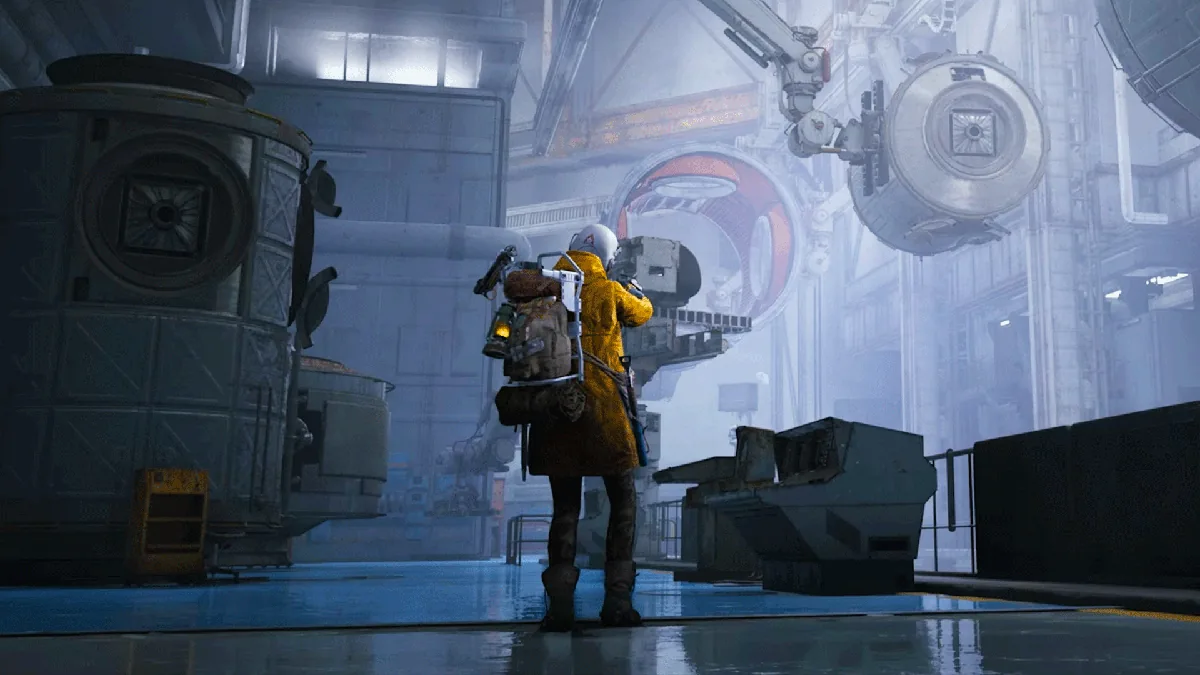
Step 4: Santa Maria Houses and Fruit for Scrappy
After clearing the pharmacy, your next stop is the Santa Maria houses. These buildings are important because they often have:
Cat beds (for another Scrappy upgrade)
Better weapons (like finding a Renegade II to replace your starter gun)
More Rusted Tools, trinkets, and Fabric
Then, swing by Murano Park. This area is key for Scrappy’s fruit. Look for apricot and lemon trees.
You’ll have to make tough calls with your inventory—sometimes you need to drop a defibrillator or other loot to make room for the necessary fruit.
By the end of this run, aim to have:
Scrappy’s dog collar equipped
A cat bed (if you’re lucky)
A starting supply of apricots and lemons
Enough materials to begin rebuilding your workbenches and upgrading your gear
Step 5: Second Buried City Run – High‑Value Loot Rooms
On subsequent runs, once you have a better spawn, you can chain into the notorious high‑value loot rooms:
- A dedicated loot room near spawn with safes, trinkets, and weapon cases
- A second stacked room accessible from the first via internal routes
These rooms are ideal for:
- Gun parts (simple and medium)
- Blue‑tier materials and trinkets
- Early hatch keys
- Rusted gear and tools needed later for workbench or expedition requirements
Because your inventory is still small, expect to drop things like regular bandages, low‑tier grenades, or single stacks of ammo in favor of key progression items like rusted tools, cat beds, or blueprint‑related components.
Step 6: Lush Bloom Event – Farming Fruit and Mushrooms in Bulk
Once Scrappy is partially upgraded and you’ve stabilized your gear, it’s time to do a Lush Bloom event run. This is hands‑down the most efficient way to stockpile:
- Olives
- Prickly pears
- Apricots and lemons
- Mushrooms needed for Scrappy’s later levels
The route is structured around wicker basket spawns scattered across the event map. Each basket can contain:
- Multiple fruits
- Mushrooms
- Resins and moss (less critical, but sellable)
The guide walks through a full loop, hitting basket spawns:
- Near the Grandioso apartments
- Around cactus patches
- Behind trucks, in small huts, and inside buildings near satellite dishes and bridges
Key takeaways:
- You won’t hit every basket every run, but chaining spawns across the map ensures a high volume of fruit per expedition.
- Mushrooms should go into safe pockets, as they’re late‑stage gating items for Scrappy.
- Even if a basket is “looted”, always check it: you still get XP for interacting, and sometimes players leave the fruit behind.
After one or two Lush Bloom runs, you’ll usually have more than enough fruit for all of Scrappy’s levels.
Step 7: Comfortable Pillows and Final Scrappy Upgrades
With fruit and early collars sorted, one of the last Scrappy gating items is comfortable pillows, and Buried City is again the best map to farm them.
The route here overlaps with your blueprint path:
- Start at the pharmacy again
- Hit Red Tower and other marked buildings
- Check bins, med bags, and high‑tier loot containers that can drop pillows and blueprints
In the example run, a comfortable pillow is found almost immediately near spawn, then the player continues anyway to demonstrate the full route, which is good practice: you often want multiple pillows for future use or insurance.
Step 8: Blueprint Farming Route – Pharmacies, Red Tower, and Space Travel

Besides rebuilding Scrappy and workbenches, one huge post‑expedition goal is restoring your blueprint collection.
- First Pharmacy (Plaza Rosa)
- Containers and drawers can drop early blueprints and attachments.
- Red Tower
- Great for med bags and structured loot, often spawning additional blueprints.
- Second Pharmacy (Piazza)
- Slightly worse on average than the first, but still capable of dropping cat beds, attachments, and the occasional blueprint.
- Space Travel Building
- Possibly the best single blueprint building in the route
- Multiple floors with lockers, containers, and breachables
- Frequent trinkets (mixtapes, snow globes), gun parts, and blueprint drops
The sample run from this route produced:
- Multiple blueprints (attachments like muzzle brakes, horizontal grips)
- Two legendaries
- A comfortable pillow
- A keycard and high‑value materials
This kind of structured route ensures that, after a wipe, you’re quickly back to late‑game blueprint density in just a few dozen runs.
Step 9: Is the Expedition Worth It?
The conclusion is nuanced:
- Expeditions are not for everyone — they’re tuned for players who have already completed most content and want long‑term progression goals beyond PvP and chasing the last few blueprints.
- The rewards are mostly cosmetic and quality‑of‑life:
- A unique raider outfit that visually marks you as an expedition veteran
- Extra skill points
- Active buffs
- Additional inventory space
- With increased blueprint drop rates, dedicated players with 200–300 hours shouldn’t need too long to regain what they lost.
In short, expeditions are a prestige grind: not mandatory, but highly satisfying for players who love optimization, routing, and min‑maxing their account.