
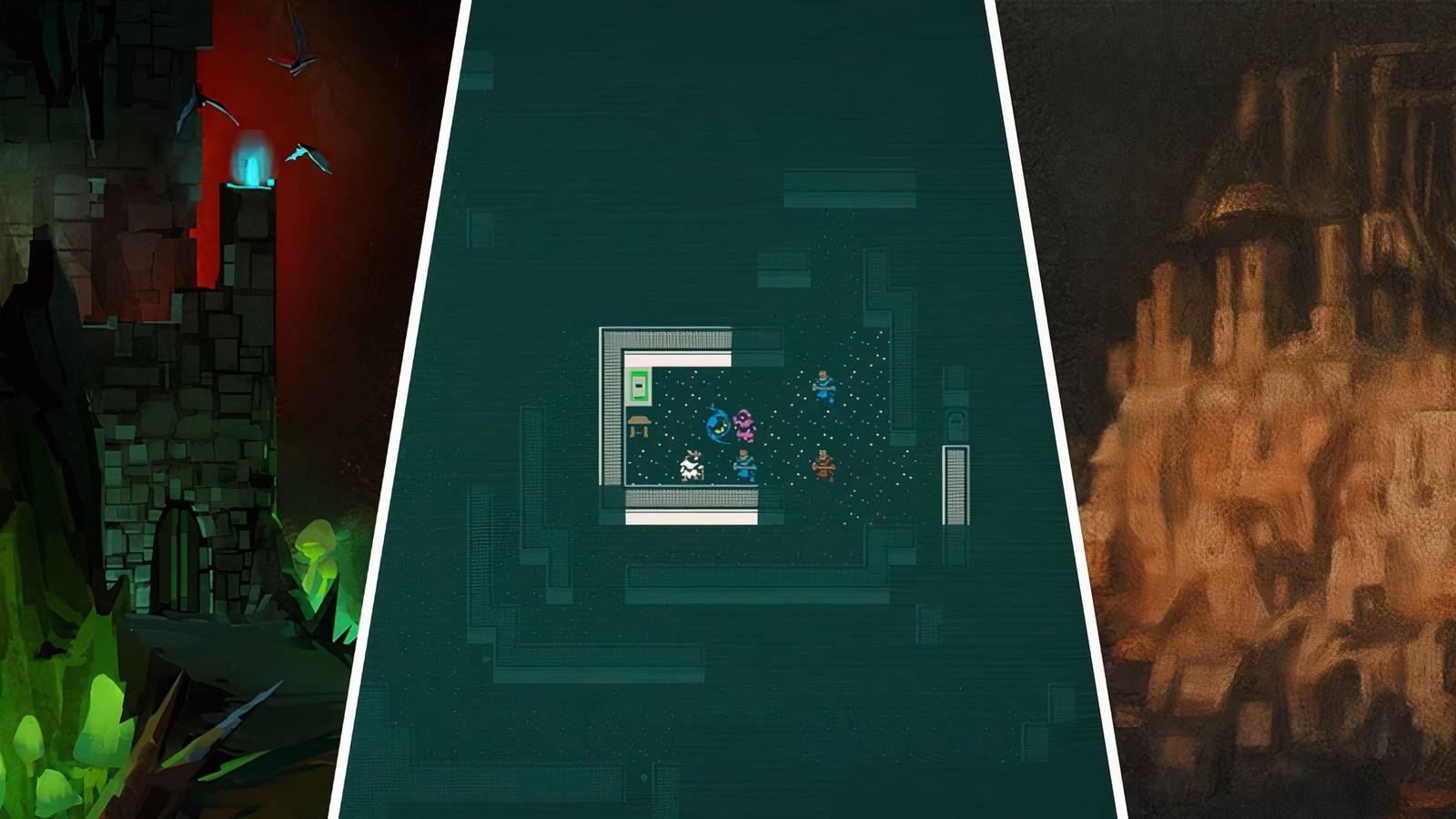
If you’re picking between Caves of Qud and Dwarf Fortress, think about this: one gives you sci-fi mutant stories with real choices that shape endings, while the other builds entire worlds of dwarf drama from pure chance. Both pull you deep, but Caves of Qud vs Dwarf Fortress comes down to wanting guided plots or endless surprises.
You might start in Caves of Qud expecting quick roguelike runs, but its lore hits hard once you hit the main quest. Mess up a key talk with Barathrum, and your epilogue twists dark. Or go full mutant and watch glotrot curse your legacy. That’s the hook—your decisions echo.
Dwarf Fortress flips it. No set story, just a world that grows on its own. You’ll see wars spark from nothing, and your fort might fall to a forgotten grudge from centuries back.
Release Timelines Shape Their Worlds
Caves of Qud wrapped up its long road with version 1.0 on December 5, 2024. That meant no more early access—you finally get the full main quest. After 15 years, it closed with endings that tie up loose threads in its post-apocalyptic zone.
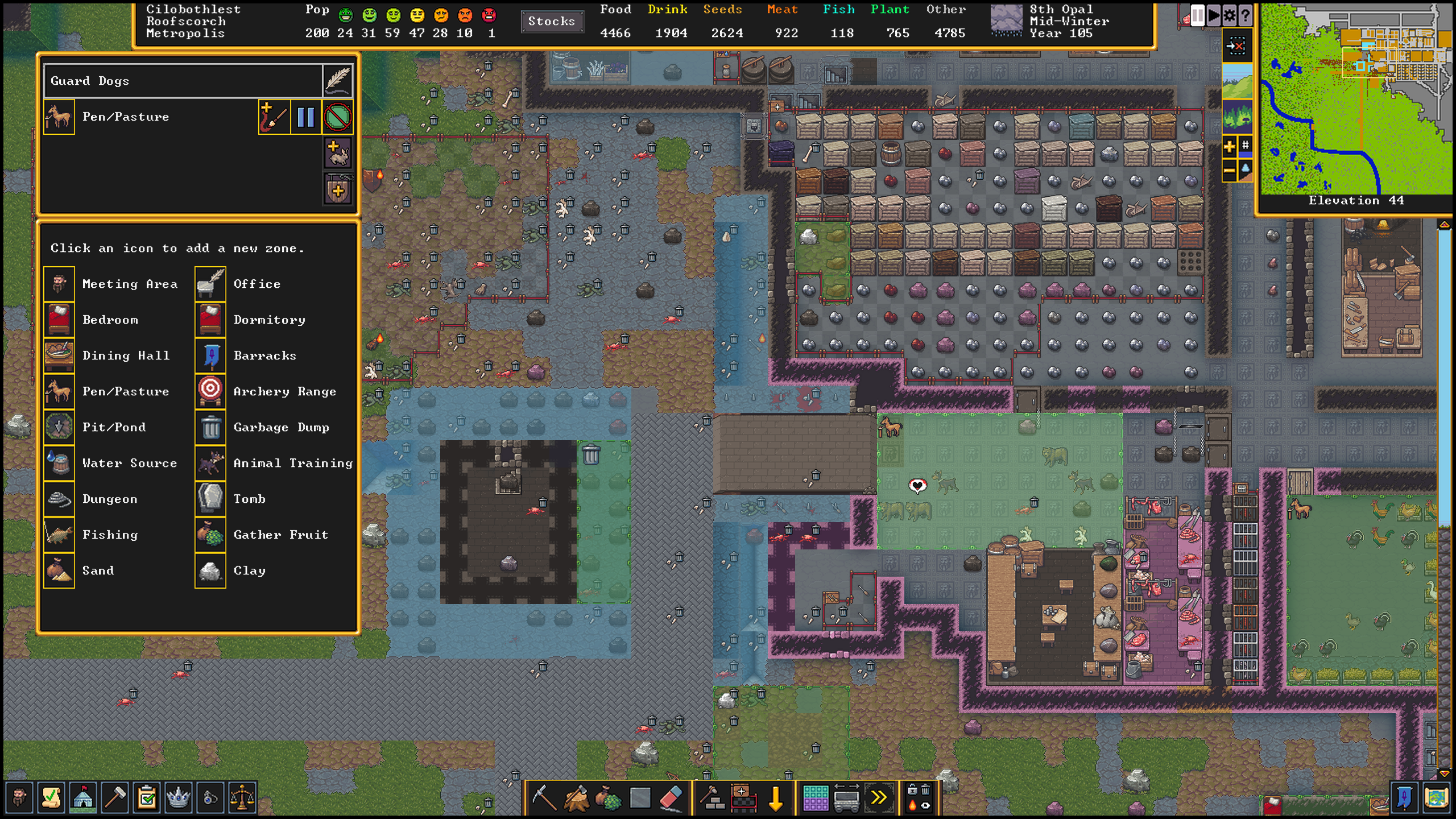
Over in Dwarf Fortress, things built differently. The Steam version dropped on December 6, 2022, adding sprites and a cleaner UI to make the ascii classic easier on your eyes. Then Adventure Mode went full launch on January 23, 2025, after beta tests kicked off in April 2024. Now you can roam that generated world like a true wanderer.
These dates matter because they mark when the lore feels complete. In Caves of Qud, 1.0 lets you chase closure. Dwarf Fortress keeps evolving, with modes that let old worlds live on.
World Context: Sci-Fi Ruins vs Ancient Stones
Caves of Qud sets you in a harsh, mutated wasteland. Think crumbling tech mixed with weird biology—your character sprouts extra limbs or photosynthesizes under the sun. The lore builds on that: ancient disasters left the zone fractured, and you navigate factions born from the fallout.
It all ties to the Spindle, this cosmic hub that pulls the strings. Your journey uncovers how mutations warped society, creating cults and outcasts. One wrong mutation pick early on can lock you into a path that dooms whole areas.
Dwarf Fortress goes way back. You generate a world with thousands of years of history before you even dig in. Elves feud with goblins, gods meddle, and dwarves carve their mark. The context emerges as you play—maybe a dragon slays a king, and that ripples to your fort’s doorstep.
No hand-holding here. The world’s alive because every event stacks consequences, like a forgotten cave-in sparking a cave adaptation that haunts you later.
Key Characters and Their Drives
In Caves of Qud, Barathrum stands out as your mechanic guide. He helps craft the Golem to reach the Spindle, but kill him off, and the epilogue shifts—your success feels hollow without his input. Other NPCs push the sci-fi angle, like seekers chasing lost tech or mutants hiding their flaws.
Their motivations stem from survival in a broken world. You ally with one, and it alters alliances across the zone. Ignore a beggar’s plea, and it might bite back in the credits roll.
Dwarf Fortress doesn’t spotlight single heroes the same way. Dwarves have backstories—maybe one’s a veteran of a lost war, driven by revenge. But they’re part of the crowd. A key figure could be the one who tantrums first, toppling your setup because of a bad mood from a dead pet.
Motivations arise from needs: hunger, fear, joy. We all know that feeling when a dwarf’s strange mood hits at the worst time—no lore book warns you, but it shapes your tale.
Plot Breakdown: Choices vs Emergence
Caves of Qud‘s main quest sequences like this: You start small, gathering clues in the wastes. Build toward the Golem, face moral calls with Barathrum, then push to the Spindle. Endings vary—ascend pure, or let glotrot spread and doom the zone. Post-credits dumps lore on the fallout, like how your choice ripples to unborn generations.
It’s directed, so you feel the weight. Stack mutations wrong, and high-level runs flop because synergies fail.
Dwarf Fortress has no linear plot. In Fortress Mode, you build and watch history unfold. Migrants arrive with grudges; beasts siege from ancient pacts. Adventure Mode lets you insert yourself, chasing quests that spawn from the world’s past.
One sequence might go: Dig too deep, unleash a forgotten beast. It kills a noble, sparking tantrums that chain into collapse. No reset button—your plot writes itself through actions.
That’s the core split in Caves of Qud vs Dwarf Fortress. One plots your path; the other lets chaos craft it.
Mutations and Simulations Drive the Lore
Caves of Qud weaves mutations into its story. They scale from level 1 to 10, but pump 8-10 points for big payoffs. Take Carapace: It boosts Armor Value (AV) up to 30 at max, scaling steady with investment. Mental ones like Heightened Quickness give agility bumps that taper off past level 5, but multi-head setups push effective caps to level 17.
High investments turn you god-like, synergizing with Strength or Intelligence. Lore-wise, this mirrors the zone’s theme—evolution gone wild, where stacking flaws becomes power. But overdo it, and mutations backfire, like glotrot rotting your line.
Dwarf Fortress simulates everything procedurally. Worlds generate with events: wars, births, betrayals. Your fort’s lore emerges from that—dwarves learn by labor, no points to spend. A mood hits, and suddenly you’re forging an artifact that saves or dooms you.
It’s total randomness versus Caves of Qud‘s builds. In DF, one unlucky roll floods your lower levels; in Qud, you optimize to defy fate.
Fan Theories: What’s Next After 1.0
Confirmed lore in Caves of Qud ends with those multiple paths, but fans speculate on post-Spindle worlds. Some think glotrot survivors could seed DLC zones—pure theory, based on epilogue hints. Others debate if Barathrum’s death locks true ascension, pulling from wiki notes on choice flags.
No official word yet, but the 15-year build suggests more. Community loves how mutations imply endless evolutions.
For Dwarf Fortress, fan theories focus on modded histories. Some swear hidden god lore ties modes together, but Bay 12 keeps it emergent. Theories label as unconfirmed, like eternal worlds looping events—fun to ponder during long sieges.
These ideas keep the games alive. We’ve all spun yarns from what the sim spits out.
In Caves of Qud vs Dwarf Fortress, lore isn’t static—it’s what you make in the ruins or depths.
Ready to let a mutation like glotrot twist your Caves of Qud ending, or see a dwarf grudge unravel your Fortress from the inside?