
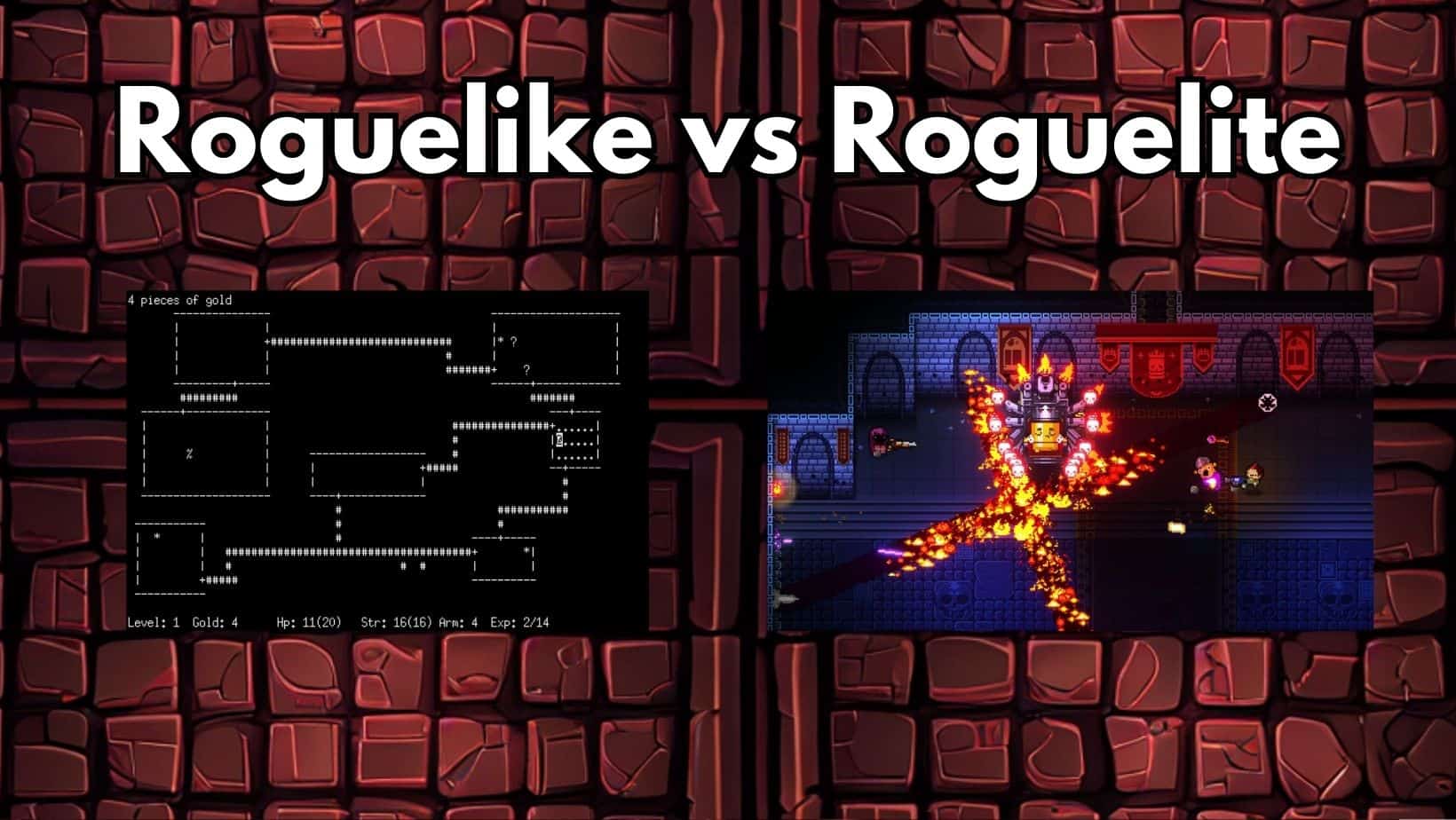
On the surface, roguelikes and roguelites can seem like twins, but trust me, how they handle your death, your progress, and your precious time is a whole different story.
They both grew from the same brutally hard roots, but today they’re built for different players and goals. Let me break it down for you.
What Is A Roguelike?
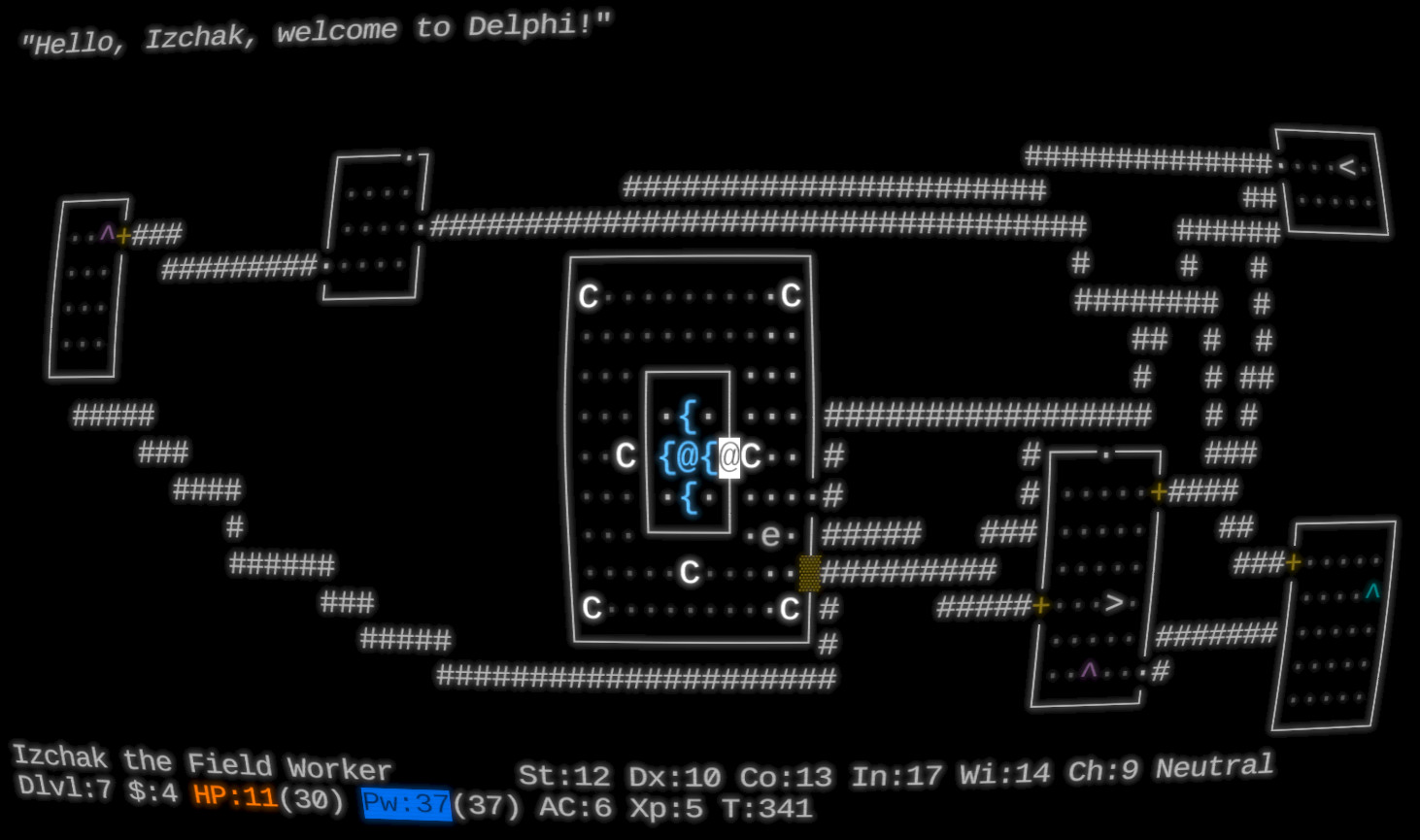
Think of a traditional roguelike as the ultimate test. It’s built on one iron rule: permadeath. When you die, you start over from absolute zero.
I mean it—no continues, no mid-run checkpoints to save you. You fail, and it’s back to the very beginning.
Key traits of classic roguelikes are:
What Is A Roguelite?
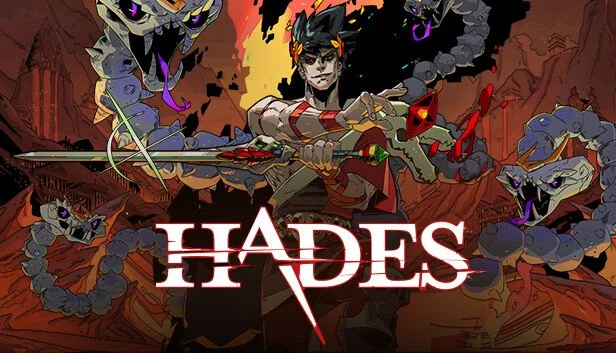
Now, let’s talk Roguelites. These games keep the core loop of run-based randomness, but here’s the key difference: they soften the brutal sting of failure. When you die, you don’t lose everything.
Instead, you build up a kind of meta-progression that carries over between runs, making your next attempt a bit easier or opening up new possibilities.
Think of it this way: instead of wiping the slate completely clean, you get to keep a little something that makes your journey forward feel meaningful, even after a loss.
Core Differences At A Glance
| Aspect | Roguelikes | Roguelites |
| Death | True permadeath; run is fully wiped on failure | Death resets run but preserves meta upgrades/lore |
| Progression | Skill and game knowledge only; no persistent buffs | Meta progression via stats, gear, talents, unlocks |
| Player motivation | Mastery, survival, problem-solving | Mastery plus steady long-term growth and unlocks |
| Punishment level | Extremely punishing, often losing hours of progress | Softer, each death still “moves you forward” somehow |
| Feel of each run | Self-contained, clean slate every time | One chapter in an ongoing build and story arc |
| Historical roots | Rogue, NetHack, ADOM, Angband era | Modern indie boom, e.g., Hades, Dead Cells, Risk of Rain 2 |
How Each Genre Treats Failure
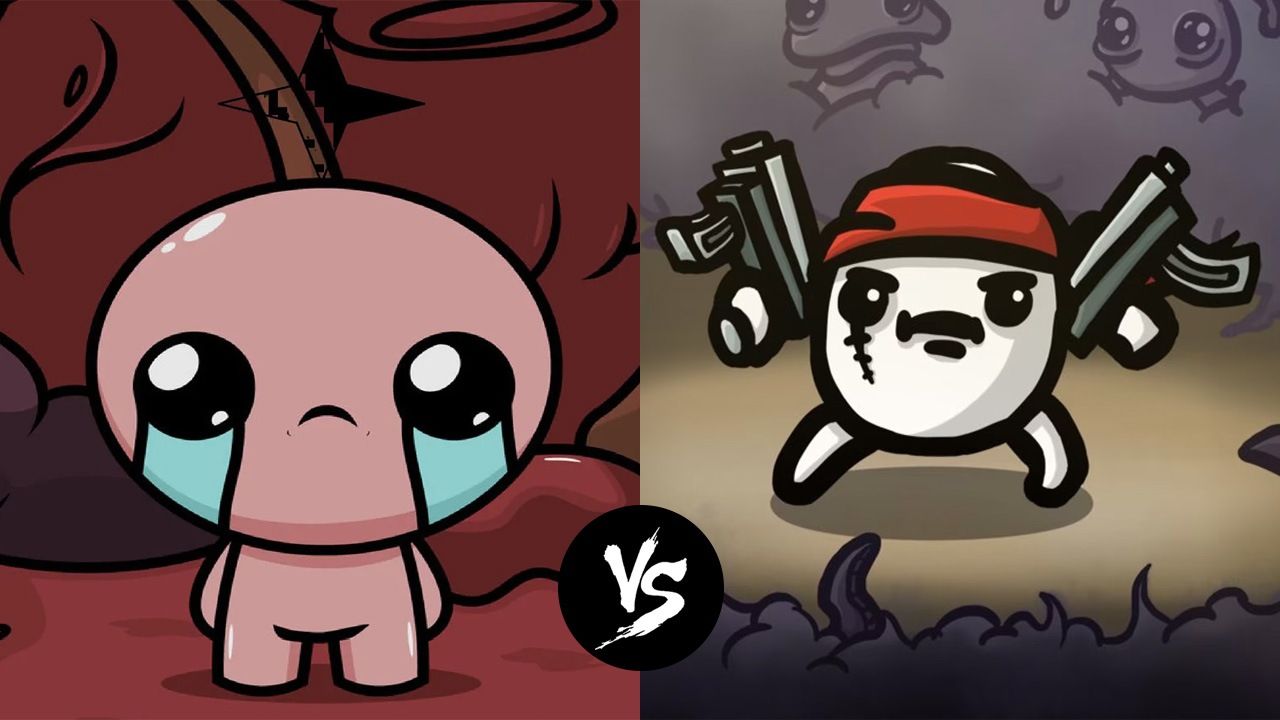
If you ask me, the biggest split between these genres is how they frame your failure. One turns it into pure, sharp pain. The other reframes it as a stepping stone.
For classic roguelikes:
When you die, that’s it. You’re sent back to the very start with nothing but the knowledge in your own head.
The emotional ride is all about white-knuckle tension and the stark reality that one misstep can erase hours of work. And honestly?
That severe risk is part of the addictive appeal. These games feel like they want you to suffer a little, yet you keep coming back for more.
For roguelites:
Death still stings, but it’s almost always converted into some form of progress. You might unlock a new weapon, bank a permanent stat boost, or uncover a piece of the story.
This creates a brilliant hybrid loop: you’re chasing the perfect run and building toward long-term power. Suddenly, a failed run doesn’t feel like a waste—it feels productive.
This balance, this perfect tension between loss and reward, is what hooks you and has you chasing “just one more run” all night.
Why Roguelites Took Off
Roguelites exploded in popularity because they solved several pain points of traditional roguelikes while keeping the addictive core.
Key reasons they work so well:
- Time respect: Short runs and persistent progression make the games easier to fit into modern schedules, from quick 20-minute breaks to marathon sessions “on the porcelain throne.”
- Accessibility: Meta systems soften the punishment curve, allowing less skilled or less patient players to still feel rewarded.
- Replayability: Procedural generation and meta unlocks combine to create “absolutely insane” replay value, with each run feeling fresh and meaningful.
- Platform spread: Many of these games are available across multiple platforms, further boosting their reach and pick-up-and-play appeal.
Roguelikes and roguelites are a kind of gold standard for replayability from a developer’s point of view, since randomization and permadeath do much of the retention work while smaller studios compete on creativity rather than sheer content volume.
Psychological Hooks They Share
Despite their differences, both genres tap into the same powerful psychological hooks:
Here are some:
- Gambling-like loops: Every run is framed as a gamble, with the “gambler’s high” of maybe hitting that perfect build this time.
- Randomness and discovery: Procedural generation makes every run feel unpredictable, giving players constant surprises and highlight moments no one else has.
- Mastery vs chaos: Players are constantly negotiating between learning systems deeply and reacting to chaotic RNG-driven situations.
- “Just one more run”: The short-run structure, combined with random outcomes and incremental goals, turns a single session into hours of play.
Where they start to diverge is how strongly they lean into punishment vs. reward.
Roguelikes push harder into tension and risk, while roguelites supplement that tension with a steady drip of victory even in failure.
Narrative And Worldbuilding Differences
How these games handle narrative, and this is another axis where roguelites often distinguish themselves.
Roguelike-style narrative techniques:
- Fragmented storytelling: Games like Dead Cells scatter cryptic notes, environmental details, and small discoveries across runs instead of dumping exposition.
- Player-assembled lore: You gradually build a mental map of the world’s history from these fragments, with no explicit explanation from the game.
Roguelite-leaning narrative examples:
- Hades: Every death advances plot, relationships, and worldbuilding; failed escapes unlock new dialogue and journal entries that persist between runs.
- Returnal: Uses the death loop itself as a narrative device, with persistent story elements reflecting the protagonist’s slow, painful journey toward self-discovery.
- Into the Breach: Treats every run as canon in a multiverse, with pilots ejecting into new timelines; the randomness of maps and squads is justified inside the story.
Influence Beyond The Genre
What’s really fascinating is that “roguelike” has become more than a genre label—it’s a powerful design philosophy that’s quietly bled into the entire gaming world. You can see its DNA in all sorts of unexpected places.
Examples of this wider influence:
- God of War Ragnarök’s Valhalla mode, which uses randomization and roguelike structure as a side experience.
- World of Warcraft’s built around repeatable randomized content that borrows roguelike principles.
- DLC and modes in games like Remnant: From the Ashes and The Last of Us Part II’s updated versions that incorporate run-based, random encounters and permadeath-style tension.
In all these cases, the influence is less about strict classification and more about importing the tension, randomness, and replayability that define the roguelike/roguelite space.