
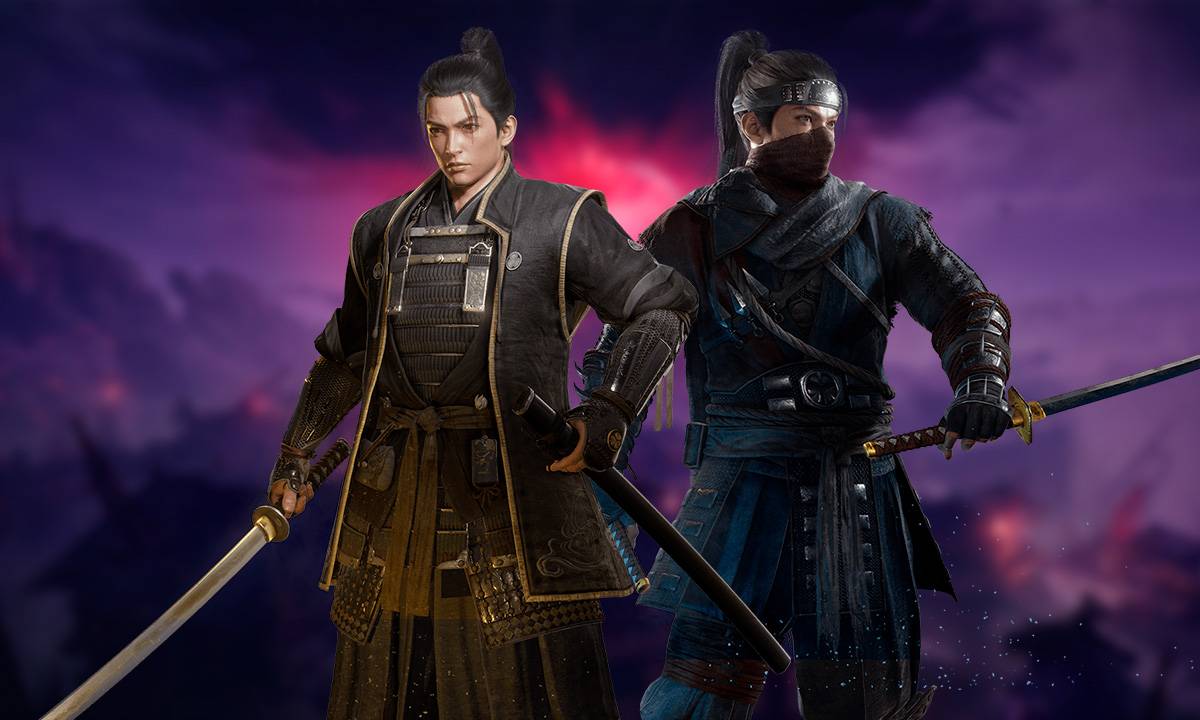
Nioh 3 is almost here, and everyone is talking about its biggest new feature: the dual-style combat system. For the first time, you can freely switch between a Samurai and a Ninja fighting style during play, which basically doubles your toolkit.
Both styles look incredible—fast, brutal, and deep. But how do they actually stack up when you look at the mechanics, weapons, and upgrades?
Let’s break down everything we know.
Shared Ground Between Samurai and Ninja
The Samurai Style: Tradition, Power, and Precision
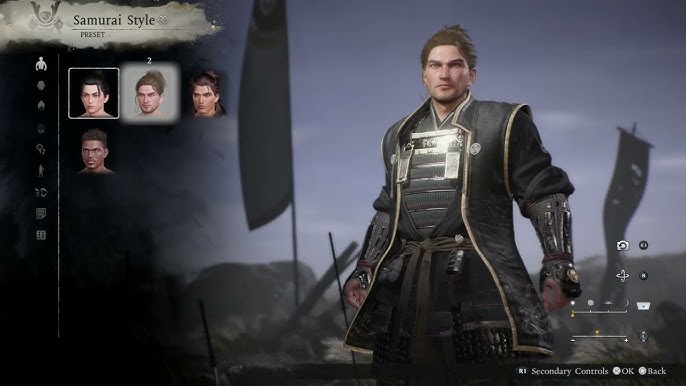
The Samurai style is all about classic, up-close fighting. It’s deliberate and rewards good timing, with a focus on managing your resources and mastering the parry.
Arts Proficiency
This is your core mechanic. Hitting enemies or blocking their attacks fills a gauge. When it’s full, your next strong attack or special move gets a big damage and impact boost. It encourages you to stay aggressive and defend actively.
Deflect
This is your upgraded guard—a powerful parry. Time it right, and you’ll completely counter an enemy’s move. You unlock it a bit later, and mastering it is the key to high-level Samurai play. The Ninja doesn’t have anything quite like it.
Ki Pulse
After any attack combo, you can press a button to perform a Ki Pulse. This recovers some stamina and, crucially, cleanses Yokai Realm pools—those dark zones enemies create that weaken you and empower them. This makes the Samurai your go-to for handling these hazards early on.
Three Combat Stances
Low, Mid, and High stances each overhaul your weapon’s attack animations and rhythm:
Low Stance: Quicker, more defensive moves.
Mid Stance: Balanced chains and lunges.
High Stance: Heavy overhead or thrust attacks with maximum output.
At first, you only wield one stance, unlocking the rest later. Switching stances mid‑fight is core to the style’s flexibility.
Key Takeaway
The Samurai excels in direct, calculated fights. It’s about spacing, parries, and stamina management. When you get the hang of deflecting and fluid stance changes, it feels like a powerful, elegant dance. Pick this if you love the technical, satisfying feel of parry systems and heavy, deliberate weapons.
The Ninja Style: Speed, Aggression, and Repositioning
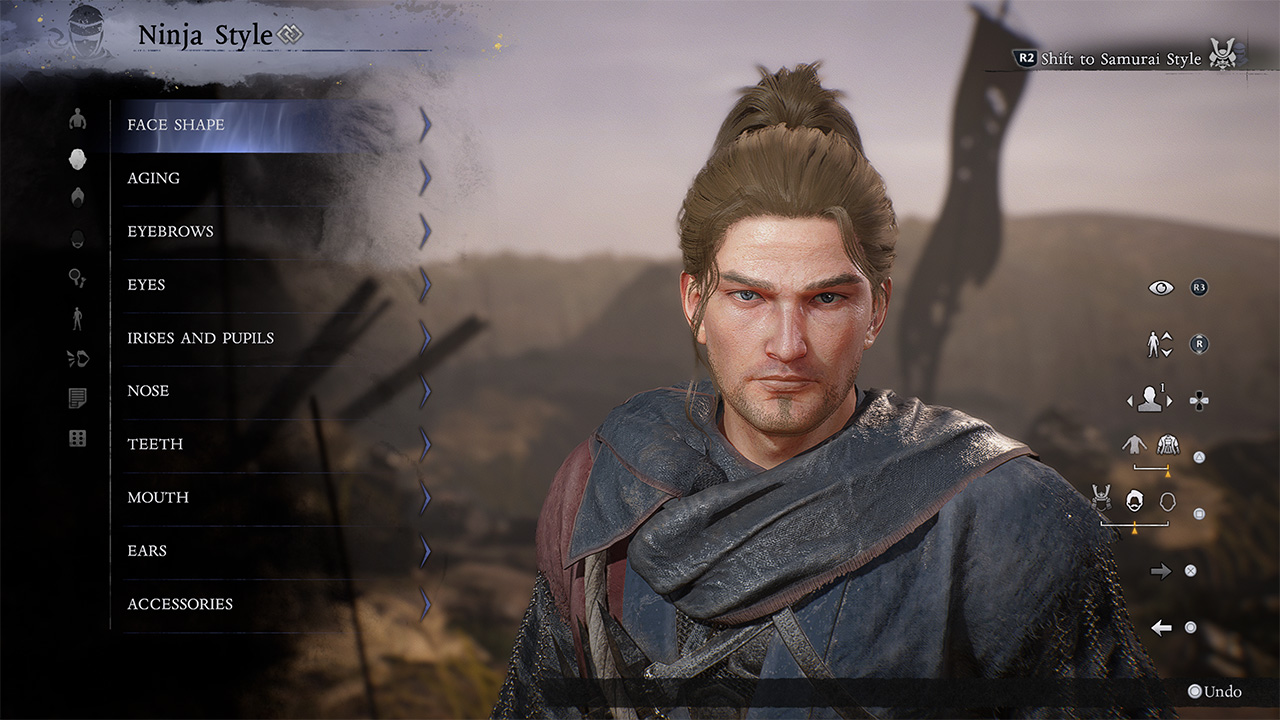
The Ninja is the Samurai’s opposite: faster, flashier, and all about agility. You trade stances and parries for a bag of tricks, relentless pressure, and constant repositioning.
Mist
This replaces the Samurai’s Ki Pulse. Instead of recovering stamina, you briefly vanish and reappear next to or behind your enemy. It’s both a dodge and an offensive repositioning tool. Later, you can upgrade it to also cleanse Yokai Realms, catching up to the Samurai’s early advantage.
Ninjutsus
This is your big special feature. Instead of stances, you unlock ninjutsu techniques—reusable gadgets or magical tools. They recharge as you deal damage, rewarding constant aggression.
Think throwing stars, smoke bombs, caltrops, and elemental explosives. Your toolkit is all about adaptability and keeping the pressure on.
Evade
Your dodge is souped-up. It has a longer invulnerability window and can chain into another dodge instantly. Land a perfectly timed one, and you’ll even recover some stamina, mirroring the Samurai’s Ki Pulse.
Footstool Jump
Allows jumping off enemies mid‑combat, staggering them and landing behind for a backstab opportunity. Small, stylish, and quintessentially Ninja.
Backstab Bonus
The Ninja naturally deals higher damage from behind. Combined with Mist, Evade, and Footstool Jump, this reinforces a hit‑and‑run rhythm— dart behind, strike fast, then vanish again.
The Ninja Playstyle
Ninja combat rewards speed, aggression, and perfect dodges. Your damage per hit is lower, but you make up for it with positioning, relentless attacks, and your ninjutsu toolkit. Choose this if you love fast, mobile, trickster-style combat where you’re always on the move.
Side‑by‑Side Combat Comparison
| Aspect | Samurai | Ninja |
|---|---|---|
| Preferred Range | Mid-to-close | Close to variable |
| Attack Speed | Slower | Faster |
| Damage per Hit | Higher | Lower |
| Defense Option | Deflect / Guard | Evade / Mist |
| Stamina Tool | Ki Pulse | Upgraded Evade (later) |
| Special Mechanic | Arts Proficiency | Ninjutsus |
| Mobility | Steady | Extremely agile |
| Backstab Damage | Normal | Significant bonus |
| Yokai Purification | Early‑game innate | Requires upgrade |
| Complexity Curve | Stance mastery & timing | Aggression & resource cycling |
Essentially, Samurai is methodical power, Ninja is relentless motion. One stands firm; the other flows.
Samurai in a Nutshell
Heavier weapons demand stamina management but deliver devastating hits.
Three stances add depth and flexibility to every encounter.
High skill ceiling once parries (Deflect) are unlocked.
Ki Pulse ensures sustained aggression without gasping for stamina.
Strong early‑game sustainability, especially against Yokai Realms.
Play Samurai if you:
Love poised duels, deliberate combos, and the satisfaction of countering perfectly timed enemy strikes.
Ninja in a Nutshell
One stance, limiting combos but keeping focus sharp.
Enhanced mobility through Mist and Evade.
Ninjutsu toolkit adds ranged options, status effects, and unique aggression loops.
Back attacks and speed define your identity.
Later access to purification tools encourages early dual‑style experimentation.
Play Ninja if you:
Prefer speed, evasion, and tactical creativity — constantly moving, tricking, and striking from the shadows.
Weapon Variety: Fourteen Ways to Fight
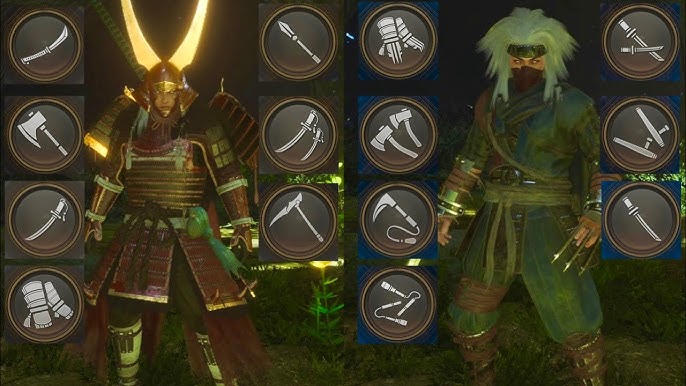
Both styles draw from a pool of fourteen overall weapons, split evenly between them.
Shared Weapons
Sword
Dual Swords
Fists (Cestuses)
These bridge the two styles: balanced mid‑speed blades and fast melee brawlers accessible to both archetypes.
Samurai‑Exclusive Weapons
Spear: Long reach and precise thrusts.
Axe: Heavy, high single‑target burst.
Odachi: Wide‑arc slashes focusing on crowd control.
Switchglaive: Hybrid reach weapon, traditional yet transformational.
Expect these to shine in stance‑based play where weight and reach define tempo.
Ninja‑Exclusive Weapons
Kusarigama (chain‑sickle): Classic spacing and pressure tool.
Tonfa: Rapid, rhythmic strikes.
Hatchets: Agile dual throws and close‑quarters options.
Split Staff: Flexible, multi‑hit stick weapon with trickiness built in.
Each complements the Ninja’s speed. Light weapon users will find home here, embracing fluid combo chains and evasive spacing.
Exact scaling and move sets remain to be discovered, but early observations suggest Samurai favors burst DPS and parry punish windows, while Ninja leans toward damage-over-time and mobility synergy.
Style Synergy and Switching Mid‑Battle
Putting It All Together
You can definitely focus on just one style, but the game is really built for you to master both. Sure, it means managing two separate skill trees, gear sets, and stat paths, but the payoff is worth it: you become a fighter who can handle anything the game throws at you.
Large armored foes? Samurai stance tools and deflects.
Swift, fragile enemies? Ninja agility and ranged ninjutsus.
Yokai realm debuffs? Samurai’s Purification until Ninja catches up.
Once everything clicks, fights look like a seamless blend — parry, stance switch, vanish behind the enemy, unleash ninjutsu, and return to Samurai precision. It’s the natural evolution of Team Ninja’s combat systems.
Which Style Is Best?
That depends on you.
Samurai: Traditionalists who favor big weapons, careful timing, and strong fundamentals.
Ninja: Speed‑chasers who thrive on positioning, invulnerability frames, and creative combos.
The truth? The “best” playstyle is likely both. Nioh 3 rewards adaptability and control over multiple toolkits at once, echoing how Sekiro and Nioh 2 demanded mastery, but blending it with seamless duality.


