Steam experienced a significant data breach on Aug. 29, resulting in the exposure of internal game builds and development assets. This incident, originating from a publicly accessible former storage solution, has affected numerous video game companies that published titles on the platform between 2003 and 2013.
Key Facts:
- A 12 terabyte file containing internal game builds was leaked.
- The leak impacts games published on Steam from 2003 to 2013.
- Valve’s own franchises and titles from various third-party publishers are included.
- The breach reportedly did not involve direct hacking but accessed old storage solutions.
Massive Steam Data Breach Exposes Decades of Game Builds
The breach on Aug. 29 was not a minor leak but a widespread information exposure affecting most major video game companies that published titles on Steam within a particular timeframe.
The leaked data is contained within a massive 12 terabyte file. This archive holds internal builds for every game uploaded to the platform from 2003 up to 2013.
This collection provides an extensive look into the development history of games released during that decade. It includes not only Valve’s proprietary projects but also beta builds and early assets from a wide array of publishers, both large and small.
The sheer volume of data means that a full accounting of the prototypes and pre-release content within the leak will take considerable time. Early analysis has already revealed significant finds, offering insights into the evolution of many popular gaming franchises.
This incident reportedly did not involve a traditional hack. Instead, the files appear to have been accessed through a publicly available website that previously served as Valve’s storage solution before a transition to a more secure system.
Valve’s Own Franchises Heavily Impacted by Leak
Valve’s internal franchises are among the most documented finds within the extensive data leak. Developers and players have uncovered a wealth of previously unseen material related to Valve’s own games. This includes early builds and cut content that offer new perspectives on familiar titles.
For instance, footage has emerged showing a build of Portal 2 that featured a “bullet time” mechanic. This gameplay element would have slowed down time for players as they navigated puzzles. The discovery of unused dialogue for the Cave Johnson Companion Cube in Portal 2 has also surprised fans.
Furthermore, a build for a game tentatively called F-Stop has been found. This project appears to be set within the Portal universe. Early concepts and models suggest F-Stop was envisioned as a Portal 2 iteration where a camera served as the primary mechanic, a detail long rumored among dedicated fans.
The leak also contains data related to Half-Life 2: Episode 3. This title, originally planned as the conclusion to the series, was announced in 2006 but later canceled. Materials found reference arctic settings and ice-based weaponry.
Third-Party Games and Cut Content Found in Steam Leak
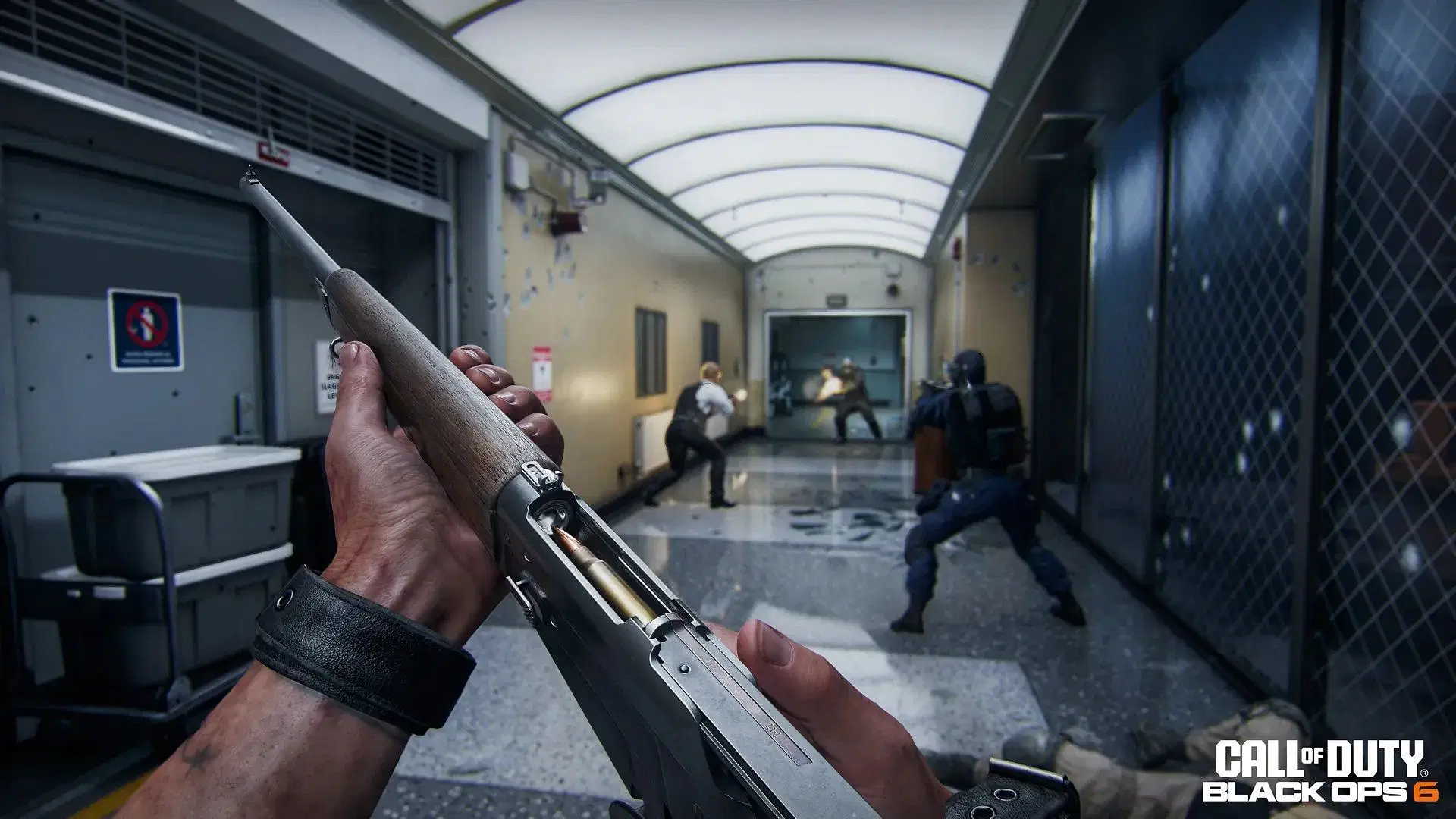
Beyond Valve’s own titles, the leak has yielded early builds and development files for numerous games from other publishers. These include prominent franchises such as Call of Duty, Resident Evil, and Sonic the Hedgehog.
Early assets from Mirror’s Edge, Batman: Arkham Asylum, Dragon Age: Origins, and Spore have also been identified.
The exposed content validates some long-standing fan theories about game development and specific in-game elements. For example, cut content related to Companion Cubes in the Portal series has been found, shedding light on their intended role.
Specific details have emerged regarding cut content for titles like Half-Life 2: Episode 3, which reportedly was planned to be set in the Arctic. Information found within the leak suggests the game would have included mechanics centered around ice and potentially an “ice gun” or “Weaponizer.”
The presence of unreleased beta builds for games like Sonic the Hedgehog has allowed some players to get these versions running. For other titles, the leaked files may contain only sparse assets that offer limited insight into the development process.
Frequently Asked Questions
What is the scope of the Steam data leak?
The leak consists of a 12 terabyte file containing internal game builds uploaded to Steam between 2003 and 2013. This breach affects numerous game companies that published titles on the platform during that period.
Were Valve’s own games affected by the leak?
Yes, Valve’s franchises are heavily impacted. The leak includes early builds and cut content for games like Portal 2, featuring mechanics like “bullet time” and unused dialogue, as well as data related to Half-Life 2: Episode 3.
What third-party games were found in the leak?
Files and early builds for franchises including Call of Duty, Resident Evil, Sonic the Hedgehog, Mirror’s Edge, Batman: Arkham Asylum, Dragon Age: Origins, and Spore have been identified among the leaked data.
How did this data leak occur?
The breach reportedly did not involve hacking but accessed files via a public website that formerly functioned as Valve’s storage solution before they transitioned to a more secure system.