
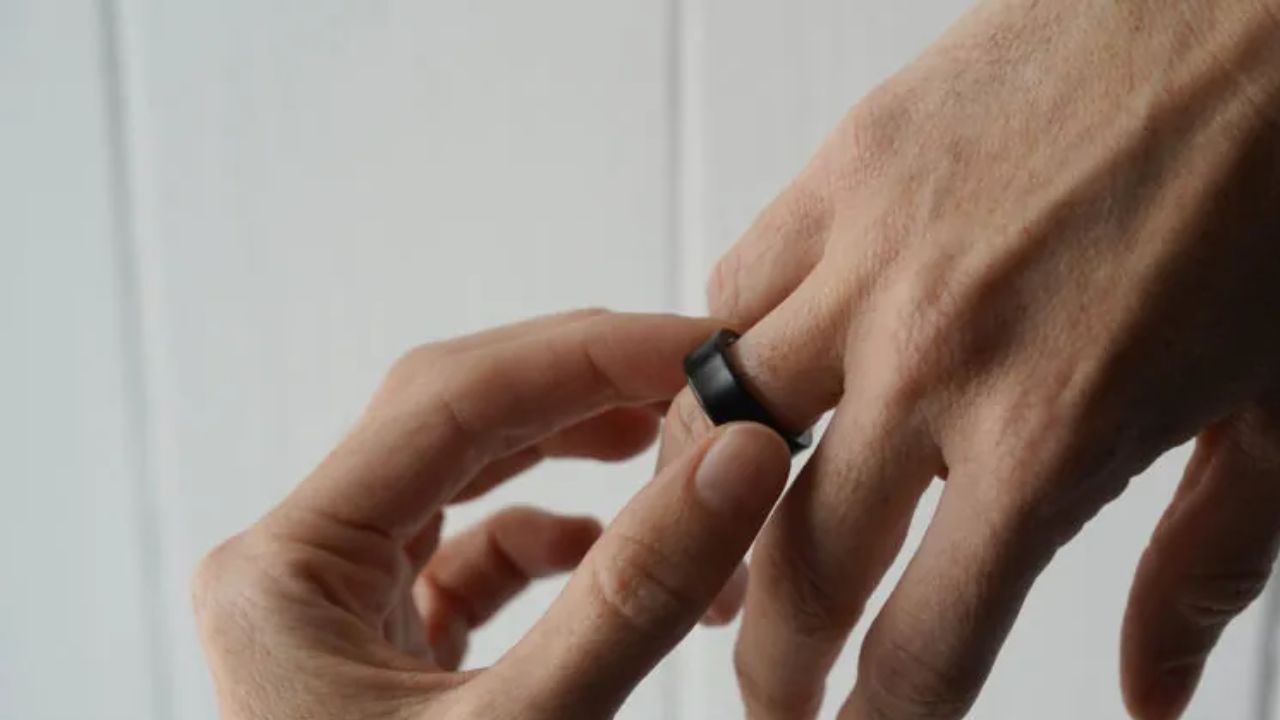
This fall, the Galaxy Ring arrives with FDA clearance to detect sleep apnea risk, a first for smart rings. Read on for details on its sensor technology, AI insights, and upcoming availability.
Galaxy Ring’s Advanced Sleep Apnea Detection
How it Works: Sensors and AI
The Galaxy Ring monitors breathing disruptions during sleep to identify potential sleep apnea signs. Its sensors work with AI algorithms, providing deeper insights into these disturbances.
This feature tracks physiological signals like heart rate, blood oxygen, and skin temperature to spot irregularities. The Samsung Health app then flags these abnormal signs.
FDA Clearance Significance
The Galaxy Ring is the first and only smart ring with FDA clearance for sleep apnea risk detection, available over-the-counter. The clearance specifically covers identifying moderate or severe cases of obstructive sleep apnea.
Data Collection for Risk Assessment
Key Metrics: Heart Rate, Blood Oxygen, Skin Temperature
To assess sleep apnea risk, the Galaxy Ring measures key overnight physiological metrics. These include heart rate, blood oxygen levels, and skin temperature. Advanced blood oxygen and skin temperature measurements can be enabled in the Galaxy Wearable app.
Samsung Health App Integration
Collected sleep data, including potential sleep apnea signs, will appear in the Samsung Health app. This integration lets users monitor sleep patterns and get alerts for abnormal findings, supporting better rest and overall health.
When to Expect the Feature
Fall 2024 Availability
Samsung will release the sleep apnea detection feature for the Galaxy Ring this fall. This timeline allows users to benefit from the advanced health monitoring capabilities in the coming months.
Optimizing Sensor Accuracy
For potentially more accurate blood oxygen readings, consider wearing the smart ring on one wrist and a smartwatch on the other. This can reduce false readings from body position or movement.
Background: Understanding Sleep Apnea and Wearable Tech
What is Sleep Apnea?
Sleep apnea obstructs airflow during sleep, disrupting rest and health. Undiagnosed and untreated, it raises the risk of cardiovascular and metabolic issues, including Type 2 diabetes and heart disease.
The Role of Wearables in Sleep Health
Wearable devices like the Galaxy Ring increasingly monitor personal health. By tracking sleep and detecting issues like sleep apnea, these devices empower users to seek timely medical attention and make lifestyle adjustments, improving well-being.
Frequently Asked Questions
How does the Galaxy Ring specifically detect the risk of sleep apnea?
The Galaxy Ring detects potential sleep apnea risk by using its sensors to identify breathing disruptions during sleep. It uses AI algorithms to analyze data on heart rate, blood oxygen, and skin temperature for deeper insights into these disruptions.
What health data does the Galaxy Ring collect to assess sleep apnea risk?
The Galaxy Ring collects data on heart rate, blood oxygen levels, and skin temperature during sleep. The Samsung Health app monitors this information for abnormal signs, including those related to sleep apnea.
When will the Galaxy Ring’s sleep apnea detection feature be available to users?
The sleep apnea detection feature for the Galaxy Ring is scheduled to be available starting this fall.
What makes the Galaxy Ring’s sleep apnea detection unique compared to other wearables?
The Galaxy Ring is unique as the first and only smart ring with FDA clearance for sleep apnea risk protection, available over-the-counter. This clearance targets the detection of moderate to severe obstructive sleep apnea.